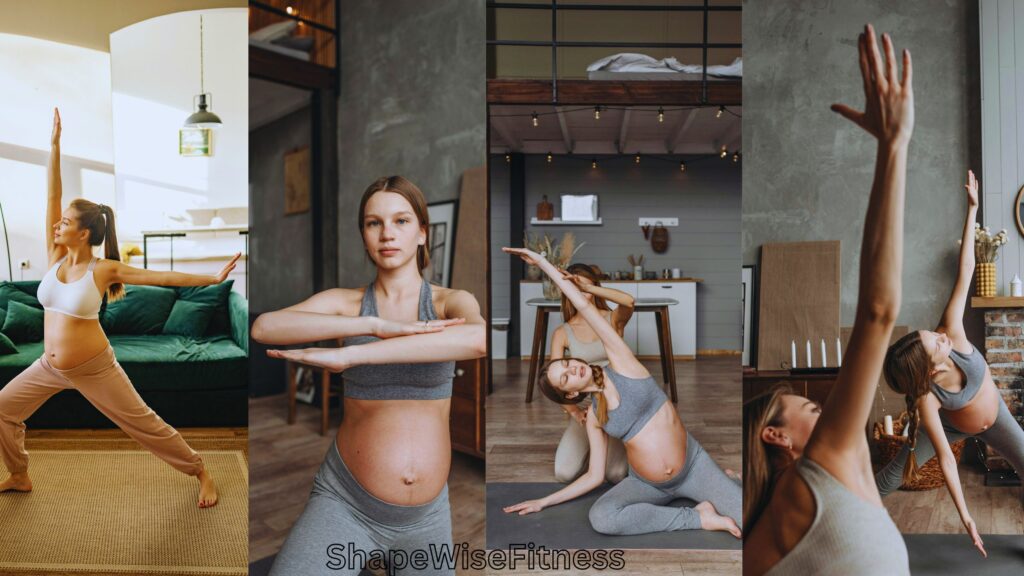
Pregnancy is a beautiful journey, but it also brings many changes to a woman’s body. During this time, staying active is very important—not for weight loss, but for health, comfort, and a smooth delivery. Many women feel scared to exercise during pregnancy, but the truth is that safe and gentle exercises can help both mother and baby.
Incorporating safe exercises into your routine can significantly benefit both you and your baby.
These safe exercises provide a foundation for a healthy pregnancy.
In this article, we will discuss 7 safe exercises for every pregnant woman. These exercises are simple, doctor-approved, and easy to do at home. Always remember: listen to your body and never overdo it.
Why Exercise Is Important During Pregnancy
Regular exercise during pregnancy can help you:
- Reduce back pain and body stiffness
- Improve blood circulation
- Control healthy weight gain
- Reduce stress and anxiety
- Improve sleep quality
- Prepare your body for labor and delivery
According to health experts, pregnant women who stay active often feel more energetic and confident throughout pregnancy.
1. Walking – The Safest Exercise for Pregnancy

Walking is one of the best and safest exercises for pregnant women. It keeps your heart healthy without putting pressure on your joints.
Benefits of walking during pregnancy:
- Improves blood circulation
- Reduces swelling in feet
- Boosts mood and energy
- Helps control blood sugar levels
These safe exercises are designed to enhance your experience during pregnancy.
You can walk for 20–30 minutes daily at a comfortable pace. Wear comfortable shoes and avoid uneven surfaces.
2. Pelvic Tilt – Relief for Back Pain
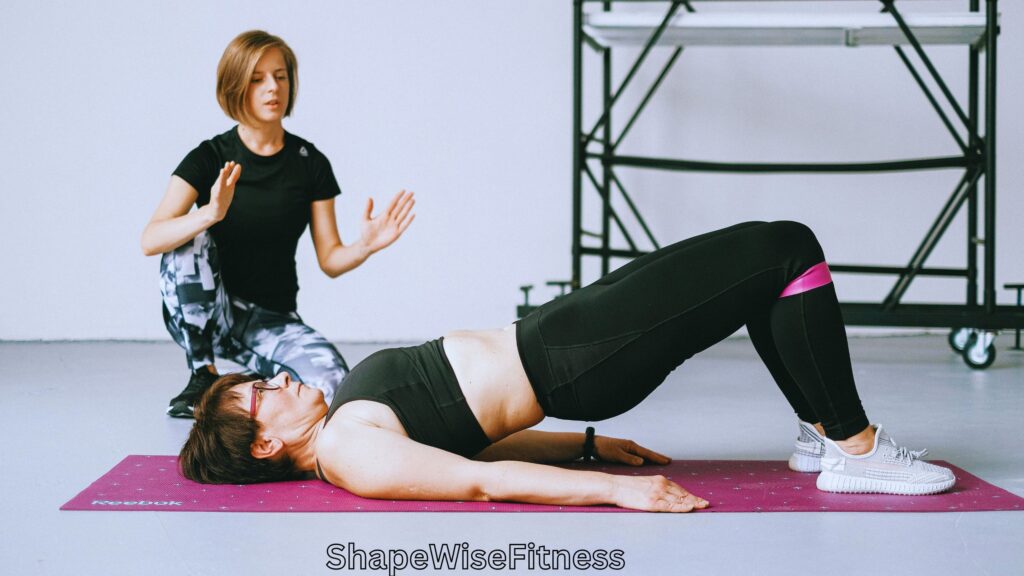
Pelvic tilt exercises are excellent for reducing lower back pain, which is very common during pregnancy.
How it helps:
- Strengthens abdominal muscles
- Reduces back pressure
- Improves posture
You can do pelvic tilts while standing or on all fours. Do 8–10 slow repetitions, focusing on breathing.
3. Yoga – Calm Your Mind and Body
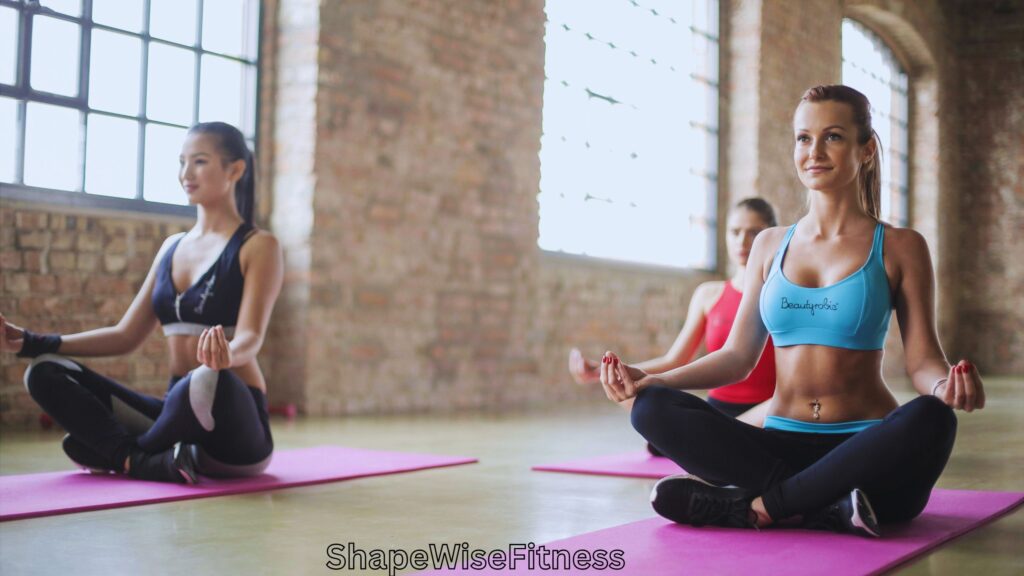
Prenatal yoga is specially designed for pregnant women. It focuses on gentle stretching, breathing, and relaxation.
These pelvic tilts are among the safest exercises.
Benefits of prenatal yoga:
- Reduces stress and anxiety
- Improves flexibility
- Helps with breathing control during labor
- Improves sleep
Avoid advanced poses and always follow a prenatal yoga routine, not regular yoga.
4. Kegel Exercises – Strengthen Pelvic Floor
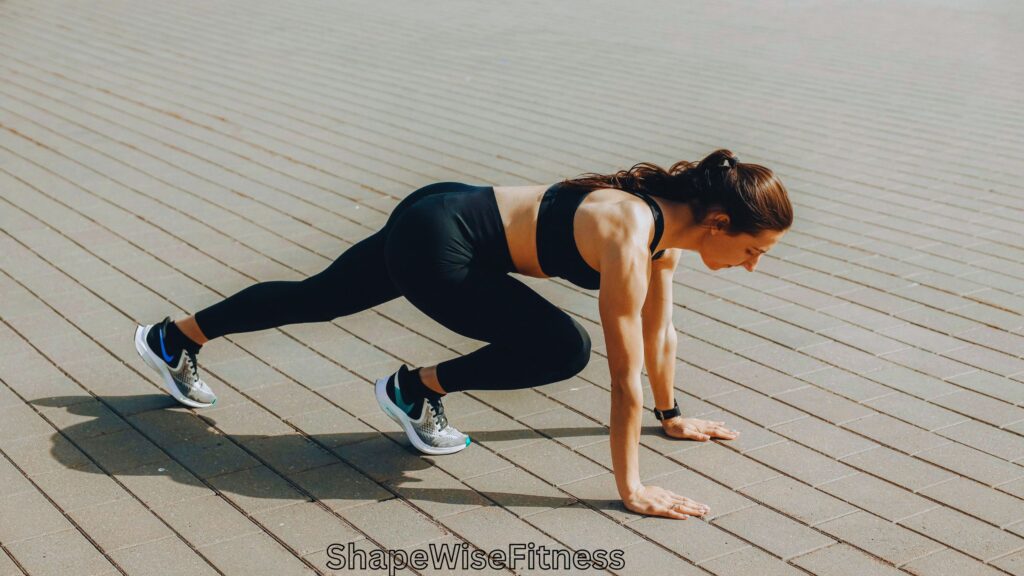
Kegel exercises are very important during and after pregnancy.They enhance the muscles that provide support for the bladder, uterus, and intestines.
Why Kegels matter:
- Helps prevent urine leakage
- Supports normal delivery
- Speeds up recovery after birth
Many safe exercises, including yoga, are perfect for relaxation.
You can do Kegels anywhere. Simply tighten your pelvic muscles for 5 seconds, relax, and repeat 10–15 times daily.
5. Swimming – Full Body, Low Impact Exercise

Swimming is one of the best exercises for pregnant women because water supports your body weight.
Benefits of swimming:
- Reduces joint and back pain
- Improves muscle strength
- Keeps body cool
- Reduces swelling
Swimming or water aerobics for 20–30 minutes is safe and refreshing, especially in later months.
6. Stretching – Stay Flexible and Relaxed
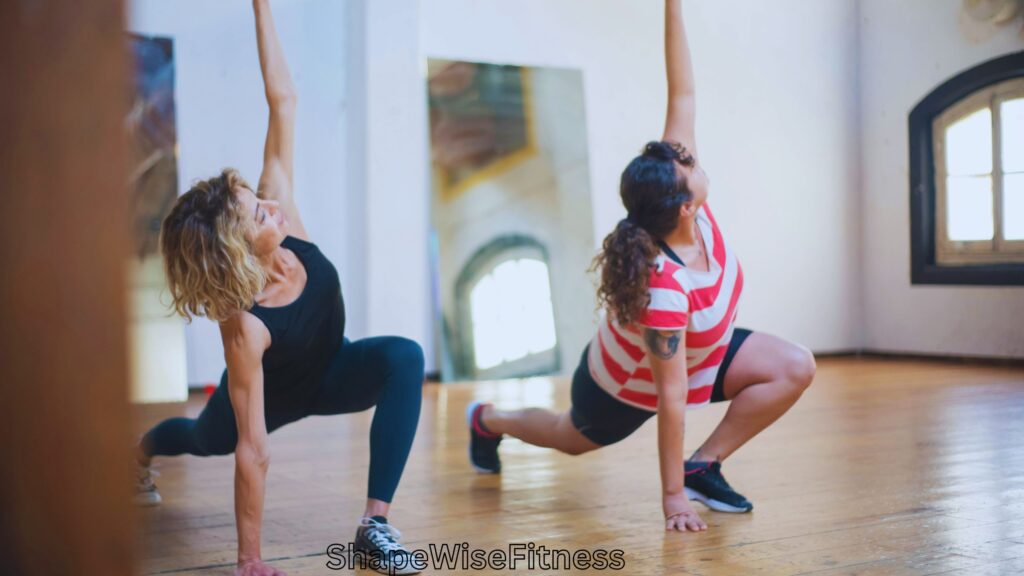
Gentle stretching helps keep muscles relaxed and reduces stiffness.
Stretching benefits:
- Reduces muscle cramps
- Improves flexibility
- Helps with posture
- Reduces stress
Focus on stretching your neck, shoulders, legs, and back. Avoid bouncing or deep stretches.
7. Squats – Prepare Your Body for Delivery
Squats are very helpful during pregnancy when done correctly.
Swimming is one of the safest exercises you can do.
Why squats are good:
- Strengthens legs and hips
- Opens pelvic area
- Helps during labor
Do slow and controlled squats, holding a chair or wall for balance. Avoid deep squats if uncomfortable.
Important Safety Tips for Pregnant Women
Before starting any exercise routine, bear in mind the following tips:
- Always consult your doctor first
- Stay hydrated
- After the first trimester, refrain from lying flat on your back.
- Stop exercising if you feel dizzy or tired
- Wear comfortable clothes
For medical guidance, you can refer to recommendations by the American College of Obstetricians and Gynecologists (ACOG):
https://www.acog.org
FAQs – Exercise During Pregnancy
Gentle stretching is also one of the safest exercises during pregnancy.
1. Is it safe to exercise during pregnancy?
Yes, for most women, gentle exercise is safe and recommended. Always consult your doctor before starting.
2. How daily should a pregnant lady exercise?
Most experts recommend 20–30 minutes of moderate activity, 3–5 times a week.
3. Which exercises should be avoided during pregnancy?
Avoid heavy lifting, high-impact workouts, contact sports, and exercises with risk of falling.
Incorporate safe exercises to enhance flexibility.
4. Can exercise harm the baby?
No. Safe exercises actually improve blood flow and support baby’s growth when done correctly.
5. When should I stop exercising?
Stop immediately if you feel pain, dizziness, shortness of breath, or unusual discomfort.
Final Thoughts
Exercise during pregnancy is not about pushing limits—it’s about staying healthy, relaxed, and prepared. Simple and safe exercises like walking, yoga, and stretching can make pregnancy more comfortable and positive. Every pregnancy is different, so always listen to your body and follow medical advice.
A healthy mother means a healthy baby 💙
Squats are among the safest exercises for preparing your body.
Always prioritize safe exercises for your health.
These safe exercises encourage a balanced approach to fitness.
Remember that safe exercises are key to a healthy pregnancy.
For detailed guidelines on safe exercises, always consult your doctor.
Engaging in safe exercises can lead to a more enjoyable pregnancy.