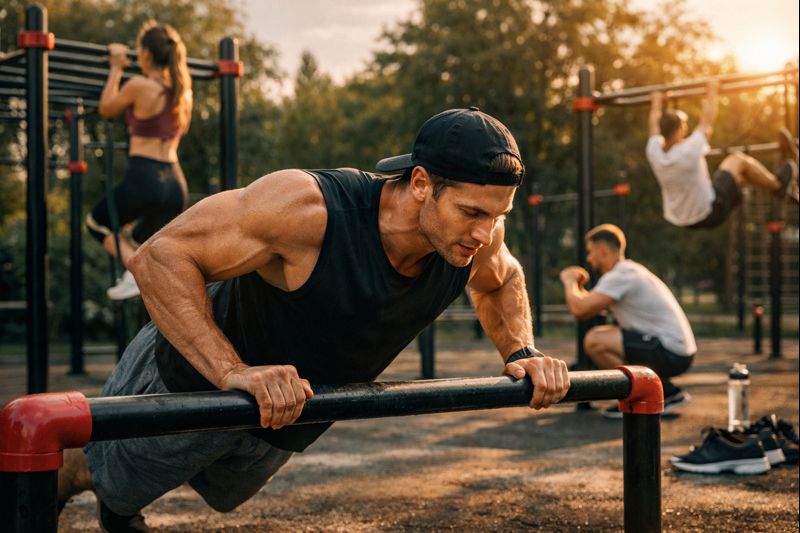
Calisthenics is one of the best ways to start your fitness journey. It uses your own body weight to build strength, balance, and control. You don’t need a gym, machines, or heavy equipment. With the right calisthenics for beginners plan, you can train anywhere—at home, in a park, or even in your room.
This guide will help you understand what calisthenics is, why it works so well, and how to start safely with a beginner-friendly routine.
What Is Calisthenics?
Calisthenics is a form of exercise that focuses on natural body movements like pushing, pulling, squatting, and holding positions. Common calisthenics exercises include push-ups, squats, planks, dips, and pull-ups.
Instead of lifting weights, you use your own body as resistance. This makes calisthenics great for beginners because it builds functional strength and improves coordination at the same time.
Why Calisthenics Is Perfect for Beginners
Many people feel nervous about starting fitness. Calisthenics removes that fear because it is simple, flexible, and beginner-friendly.
- No equipment required
- Improves full-body strength
- Enhances balance and mobility
- Reduces risk of injury
- Can be done anywhere
With calisthenics, you learn to control your body, which is the foundation of all fitness.
Warm-Up Before Calisthenics
Warming up is important to prepare your muscles and joints. A good warm-up increases blood flow and prevents injuries.
5–7 Minute Warm-Up
- Arm circles – 1 minute
- Jumping jacks – 2 minutes
- High knees – 1 minute
- Hip rotations – 1 minute
- Light jogging in place – 2 minutes
After warming up, your body will feel loose and ready for training.
Beginner Calisthenics Workout Routine
This simple routine works your whole body. Perform each exercise with slow and controlled movement.
1. Bodyweight Squats
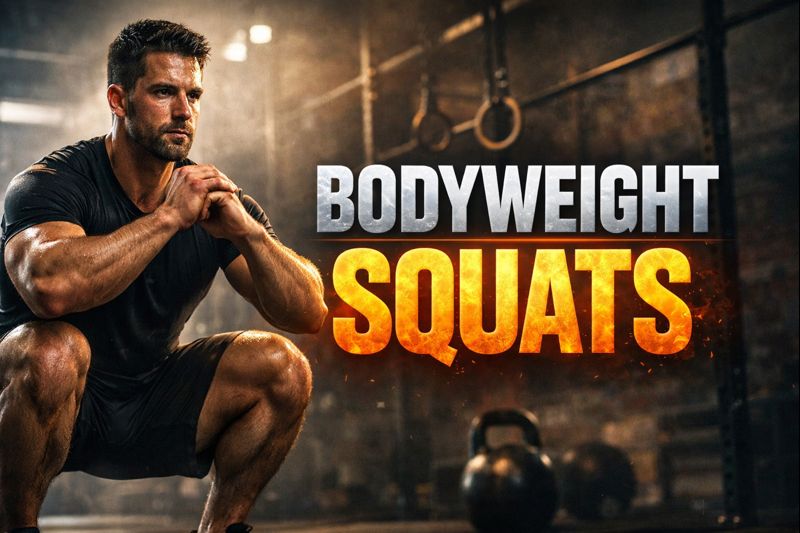
Builds strong legs and glutes.
- Reps: 15
- Sets: 3
2. Push-Ups (Knee or Full)

Strengthens chest, shoulders, and arms.
- Reps: 10
- Sets: 3
3. Plank

Improves core stability and posture.
- Hold: 30–45 seconds
- Sets: 3
4. Lunges
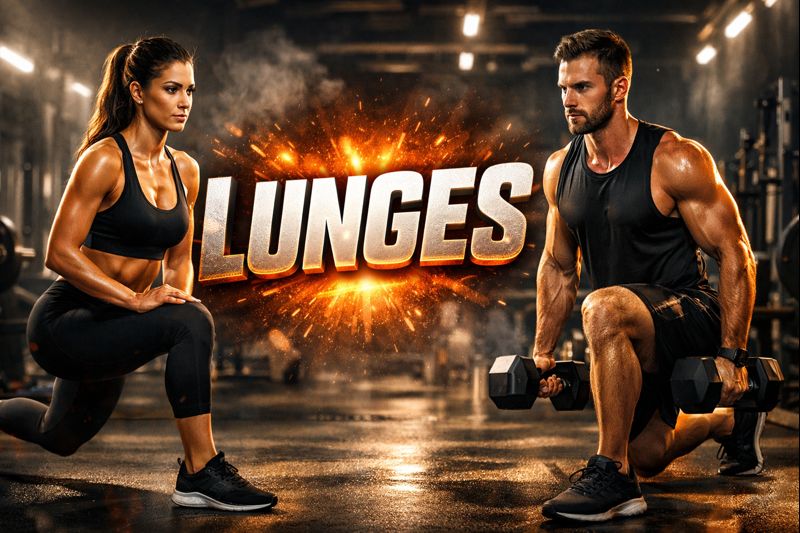
Targets legs and balance.
- Reps: 10 each leg
- Sets: 3
5. Incline Rows (Using Table or Bar)
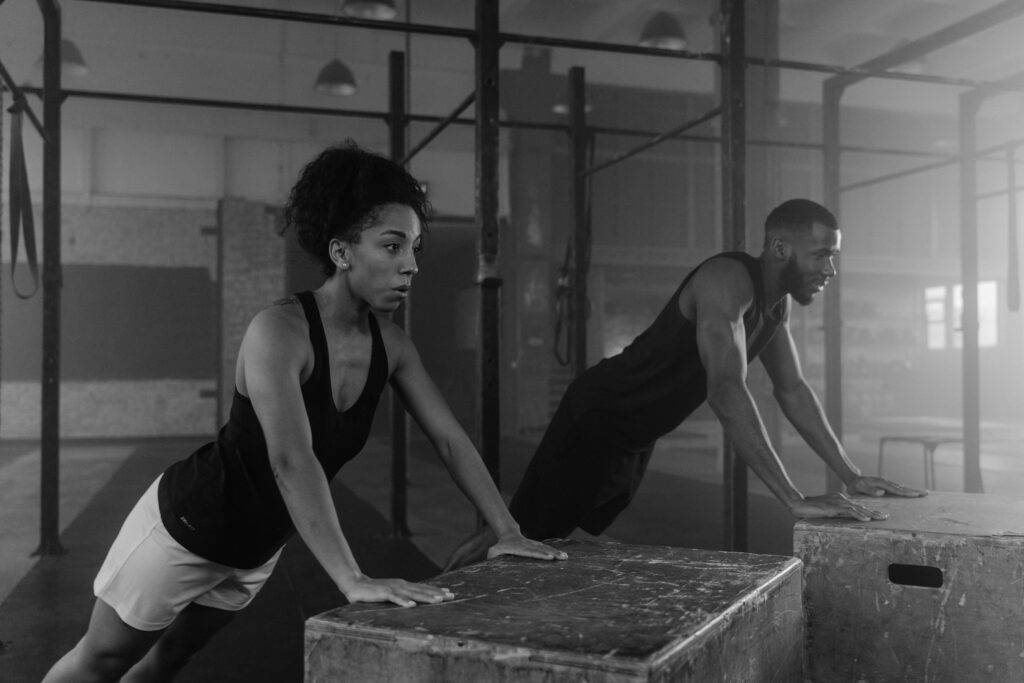
Builds back and arm strength.
- Reps: 8–10
- Sets: 3
Rest 30–60 seconds between sets. Focus on proper form.
Cool-Down and Stretching
Cooling down helps your body recover and reduces soreness.
- Hamstring stretch – 30 seconds
- Quad stretch – 30 seconds
- Shoulder stretch – 30 seconds
- Back stretch – 30 seconds
Deep breathing during stretching will relax your body and mind.
How Often Should Beginners Do Calisthenics?
If you are new, start with 3–4 days a week. As your body gets stronger, you can increase to 5 days. Always listen to your body and take rest when needed.
Consistency is more important than intensity.
Nutrition Tips for Calisthenics Beginners
Your body needs good fuel to perform and recover.
- Drink enough water
- Eat more fruits and vegetables
- Include protein in every meal
- Avoid processed and sugary foods
Good food + smart training = better results.
Learn More About Calisthenics
For deeper guidance and training ideas, check these trusted resources:
Healthline – What Is Calisthenics?
Verywell Fit – Beginner Calisthenics Workout
FAQs – Calisthenics for Beginners
Q1: Can beginners do calisthenics at home?
Yes. Calisthenics is perfect for home workouts because it uses your body weight and very little space.
Q2: Do I need equipment for calisthenics?
No. Most exercises like squats, push-ups, and planks need no equipment at all.
Q3: How long should a calisthenics workout be?
For beginners, 20–30 minutes is enough to get good results.
Q4: Is calisthenics good for weight loss?
Yes. When done consistently, calisthenics burns calories and builds muscle, helping with fat loss.
Q5: When will I see results from calisthenics?
Most beginners notice strength and energy improvements within 2–4 weeks.
Final Thought
Calisthenics for beginners is not about being perfect—it’s about starting. You don’t need a gym, fancy tools, or hours of free time. Just your body, a little space, and a strong mindset. Stay consistent, move with control, and enjoy the process. Your strength will grow day by day.