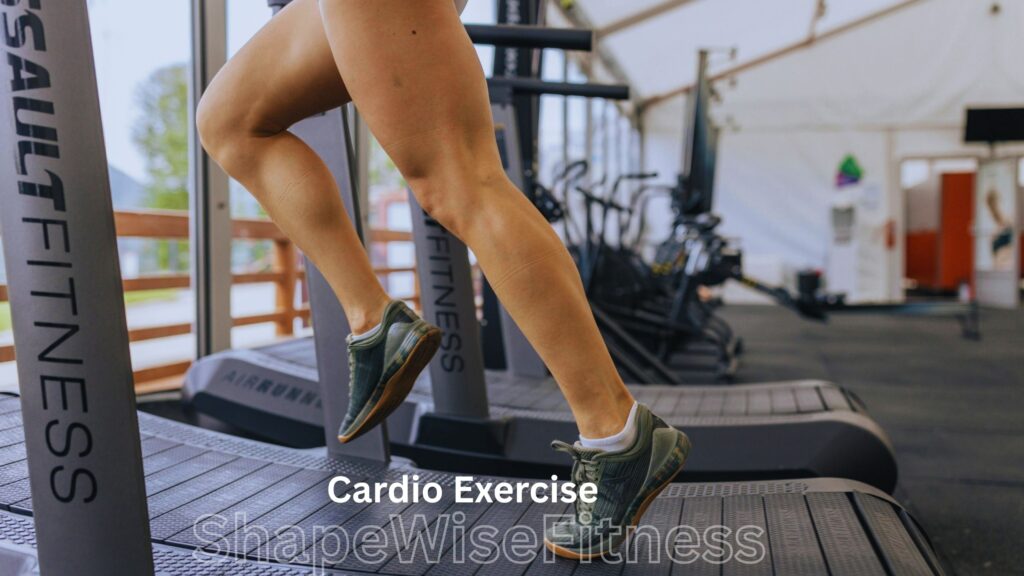
Cardiovascular fitness is one of the most important parts of overall health, yet many people ignore it until a problem appears. In simple words, cardiovascular fitness refers to how well your heart, lungs, and blood vessels work together to supply oxygen to your body during physical activity. A fit cardiovascular system helps you feel energetic, reduces the risk of diseases, and improves your quality of life.
Whether you are young, middle-aged, or older, improving cardiovascular fitness can make daily tasks easier and keep your heart strong for years to come.
What Is Cardiovascular Fitness?
Cardiovascular fitness is the ability of your heart and lungs to deliver oxygen-rich blood to your muscles during sustained physical activity. When your cardiovascular system is strong, your heart pumps blood more efficiently, your lungs work better, and your muscles use oxygen effectively.
Activities like walking, running, cycling, swimming, and dancing all help improve cardiovascular fitness. The goal is to increase your heart rate for a period of time so your heart becomes stronger.
Why Cardiovascular Fitness Is Important
Good cardiovascular fitness is essential for both physical and mental health. It does much more than just improve stamina.
- Reduces the risk of heart disease and stroke
- Helps control blood pressure and cholesterol
- Supports healthy weight management
- Improves mood and reduces stress
- Increases energy levels for daily activities
According to health experts, regular cardiovascular exercise can significantly lower the risk of chronic illnesses such as diabetes and obesity.
Top Benefits of Cardiovascular Exercise
1. Stronger Heart and Lungs
When you do cardio regularly, your heart becomes stronger and pumps more blood with less effort. This means your heart rate stays lower during rest and activity.
2. Better Weight Control
Cardiovascular exercise burns calories and helps maintain a healthy body weight. When combined with a balanced diet, it is one of the best ways to manage weight naturally.
3. Improved Mental Health
Cardio workouts release endorphins, often called “feel-good hormones.” These help reduce anxiety, stress, and symptoms of depression.
4. Increased Stamina and Endurance
As your cardiovascular fitness improves, everyday activities like climbing stairs, walking long distances, or playing with kids become easier.
Best Exercises to Improve Cardiovascular Fitness
You do not need expensive equipment or a gym membership to improve cardiovascular fitness. Simple activities done consistently can give excellent results.
Walking
Brisk walking is one of the safest and easiest cardio exercises. Just 30 minutes a day can improve heart health.
Running or Jogging
Running increases heart rate quickly and burns more calories. Start slow and increase intensity gradually.
Cycling
Cycling is a low-impact cardio workout that is easy on the joints and great for heart health.
Swimming
Swimming works the whole body and improves lung capacity, making it excellent for cardiovascular fitness.
Jump Rope
Jumping rope is a powerful cardio exercise that improves coordination and heart strength in a short time.
How Often Should You Do Cardio?
Health experts recommend at least 150 minutes of moderate-intensity cardiovascular exercise per week or 75 minutes of high-intensity exercise. This can be broken into small sessions, such as 30 minutes a day, five times a week.
Consistency is more important than intensity. Even light cardio done regularly is better than intense workouts done rarely.
Simple Tips to Improve Cardiovascular Fitness Naturally
- Start slow and increase duration gradually
- Choose activities you enjoy
- Stay hydrated before and after workouts
- Warm up and cool down properly
- Maintain a balanced, heart-healthy diet
Small daily habits can make a big difference in long-term heart health.
Common Mistakes to Avoid
Many people make simple mistakes that slow progress or cause injuries.
- Skipping warm-up exercises
- Overtraining without rest days
- Ignoring proper breathing
- Not listening to body signals
Always focus on safe and steady improvement.
Trusted Resources for Heart Health
For more expert-backed information on cardiovascular fitness, you can visit:
American Heart Association
World Health Organization
Frequently Asked Questions (FAQs)
1. What is the best exercise for cardiovascular fitness?
Brisk walking, running, cycling, and swimming are among the best exercises for improving cardiovascular fitness.
2. How long does it take to improve cardiovascular fitness?
With regular exercise, noticeable improvements can be seen within 4 to 6 weeks.
3. Can beginners improve cardiovascular fitness easily?
Yes, beginners can start with low-intensity activities like walking and gradually increase duration and intensity.
4. Is cardio safe for older adults?
Yes, low-impact cardio such as walking and swimming is safe and beneficial for older adults.
5. How does cardio help mental health?
Cardio releases endorphins that reduce stress, anxiety, and improve overall mood.
6. Can cardiovascular fitness reduce heart disease risk?
Yes, regular cardiovascular exercise significantly lowers the risk of heart disease and related conditions.
Conclusion
Cardiovascular fitness is not just for athletes; it is essential for everyone who wants to live a healthy and active life. By adding simple cardio exercises to your daily routine, you can strengthen your heart, improve stamina, and protect yourself from many health problems. Start small, stay consistent, and remember that every step you take is a step toward a healthier heart.