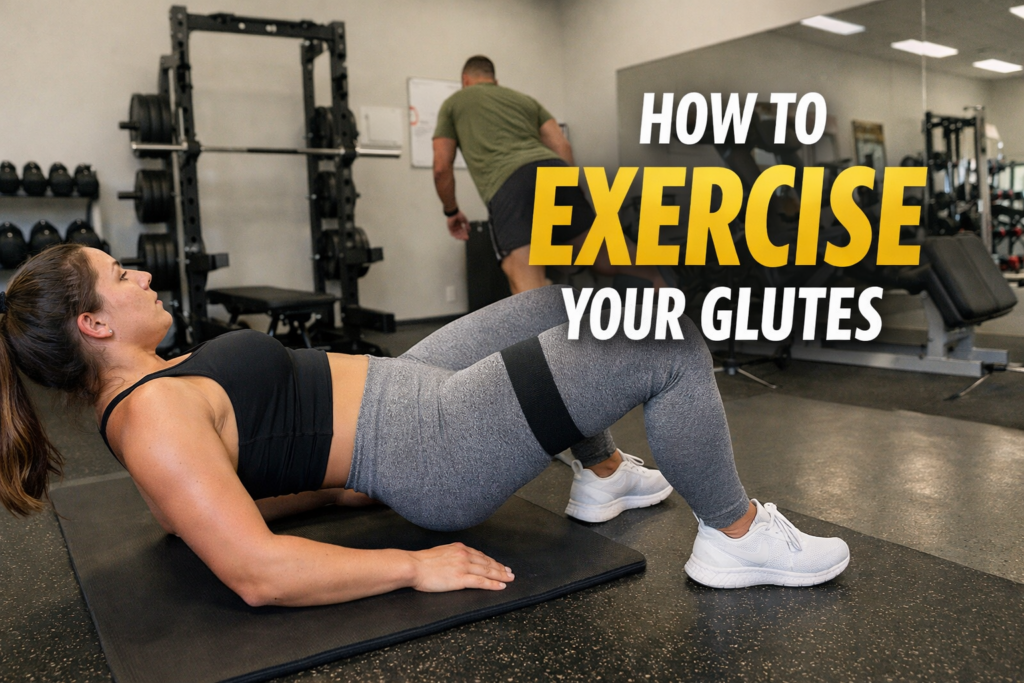
Your glutes are more than just muscles that shape your body — they are the powerhouse of movement. If you sit for long hours, struggle with lower back pain, or feel weakness during workouts, your glutes may not be working properly. Learning how to exercise your glutes can improve strength, posture, athletic performance, and even reduce injury risk.
In this guide, you’ll discover why glute training matters and the most effective glute exercises you can start today.
Why Your Glutes Deserve Attention
The glutes consist of three muscles: gluteus maximus, gluteus medius, and gluteus minimus. These muscles help you walk, run, climb stairs, and stabilize your pelvis. Weak glutes can lead to poor posture, knee pain, hip tightness, and lower back discomfort.
Strong glutes support your spine, improve balance, and enhance athletic power. Whether your goal is fat loss, muscle gain, or injury prevention, glute training is essential.
Signs You Have Weak Glutes
- Lower back pain
- Knee discomfort during squats
- Difficulty balancing on one leg
- Tight hips
- Flat or inactive feeling in the glute area
How To Exercise Your Glutes Properly
Before jumping into heavy weights, focus on glute activation. When muscles stay inactive for long periods (especially from sitting), they need to “wake up.” Start with controlled movements and proper form.
Best Glute Exercises for Strength and Activation
1. Glute Bridges
This is one of the best beginner-friendly glute exercises.
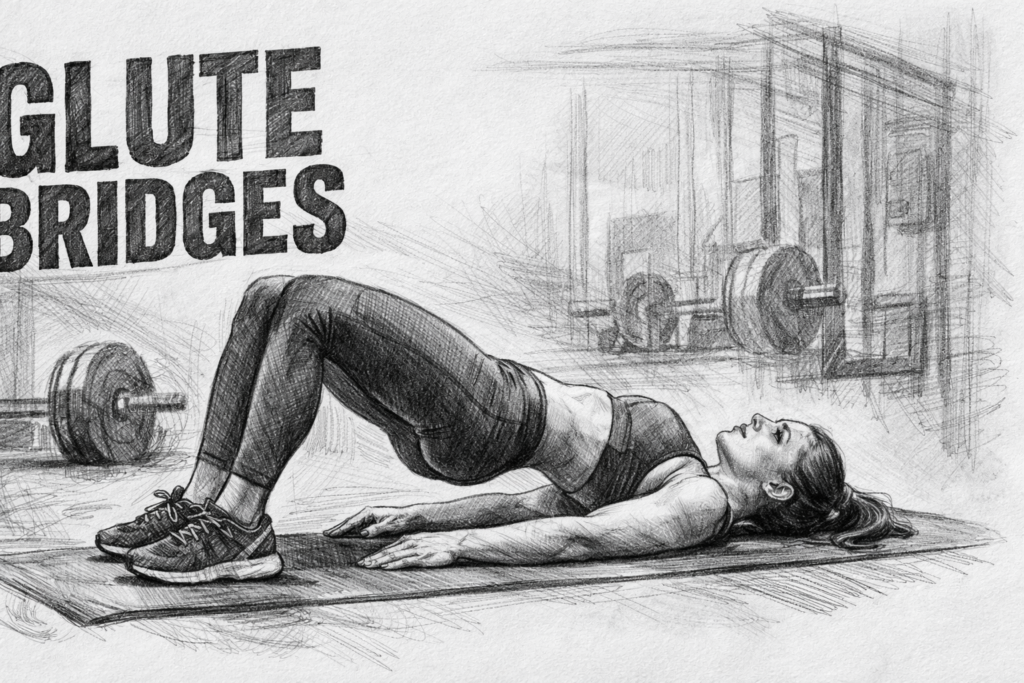
- Lie on your back with knees bent.
- Press through your heels and lift your hips.
- Squeeze your glutes at the top for 2 seconds.
- Lower slowly and repeat 12–15 reps.
2. Hip Thrusts
Hip thrusts directly target the gluteus maximus and build strength.
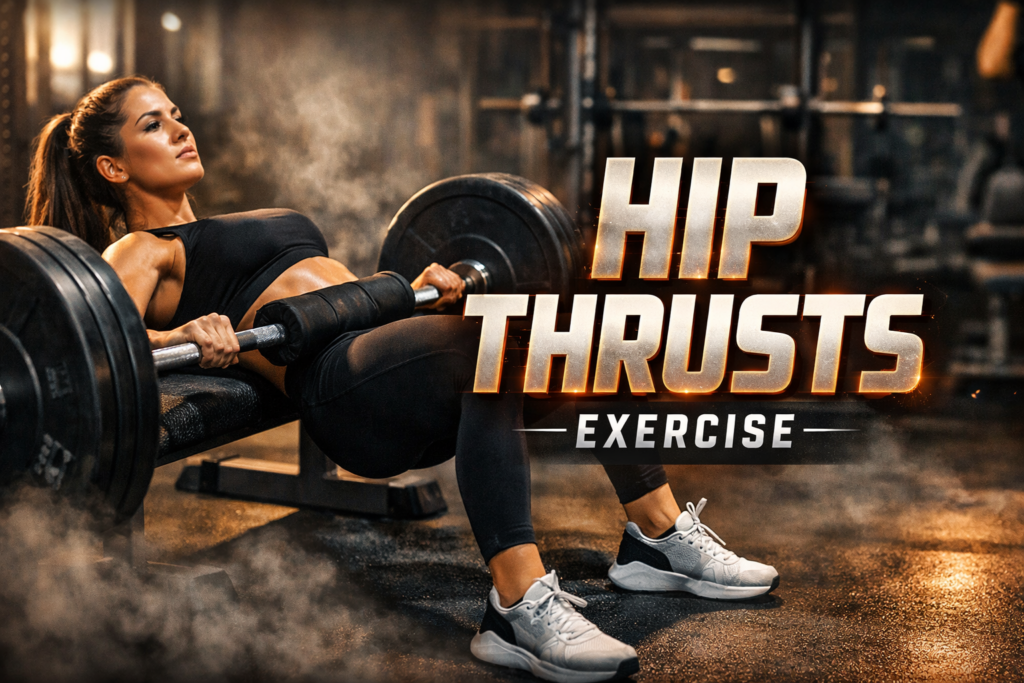
- Rest your upper back on a bench.
- Place weight over your hips (optional).
- Drive through heels and lift hips upward.
- Pause and squeeze before lowering.
3. Squats
Squats are a powerful compound movement for glute development.
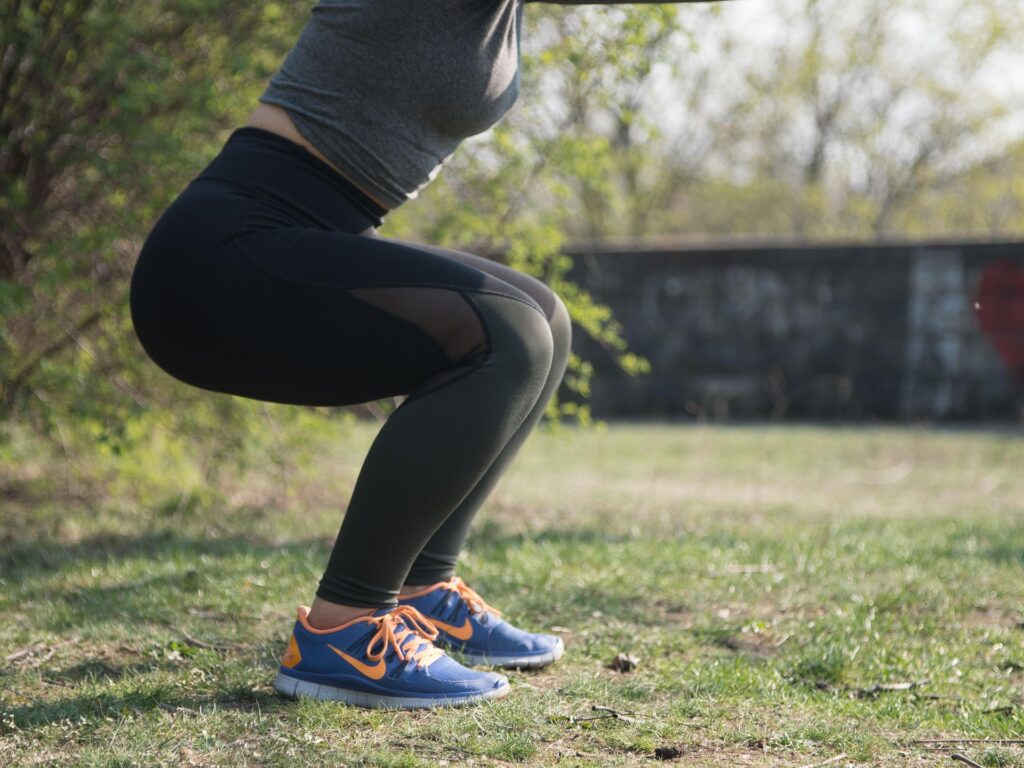
- Stand shoulder-width apart.
- Push hips back and lower down.
- Keep chest upright and knees aligned.
- Drive up through heels.
4. Romanian Deadlifts
This exercise strengthens glutes and hamstrings.
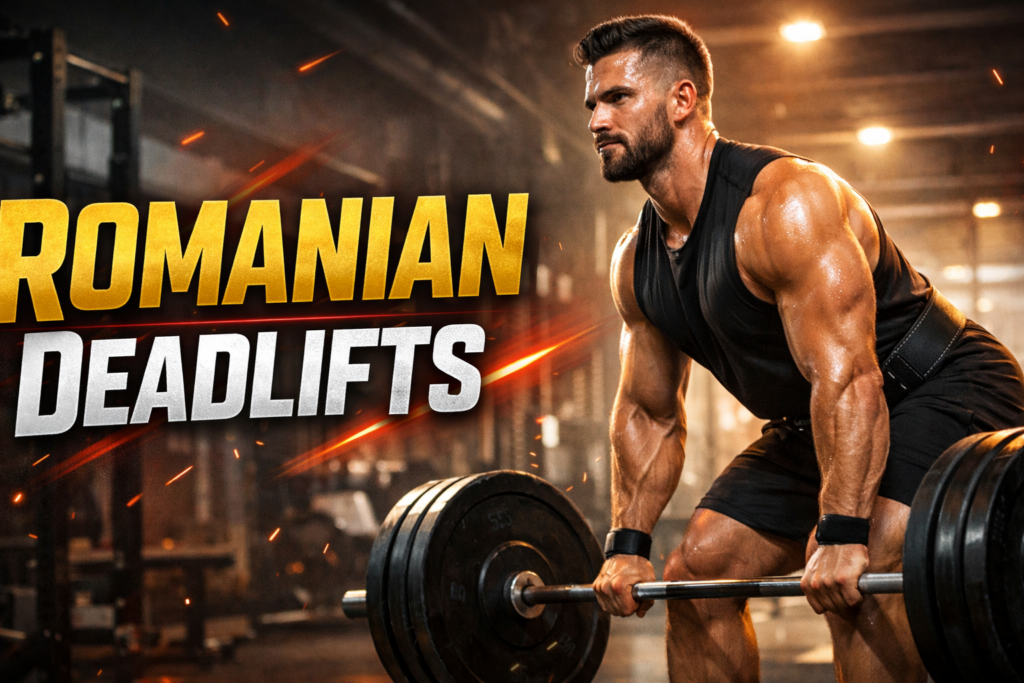
- Hold dumbbells or barbell.
- Hinge at hips with slight knee bend.
- Lower weight while keeping back straight.
- Return by squeezing glutes.
5. Step-Ups
Step-ups improve balance and unilateral strength.
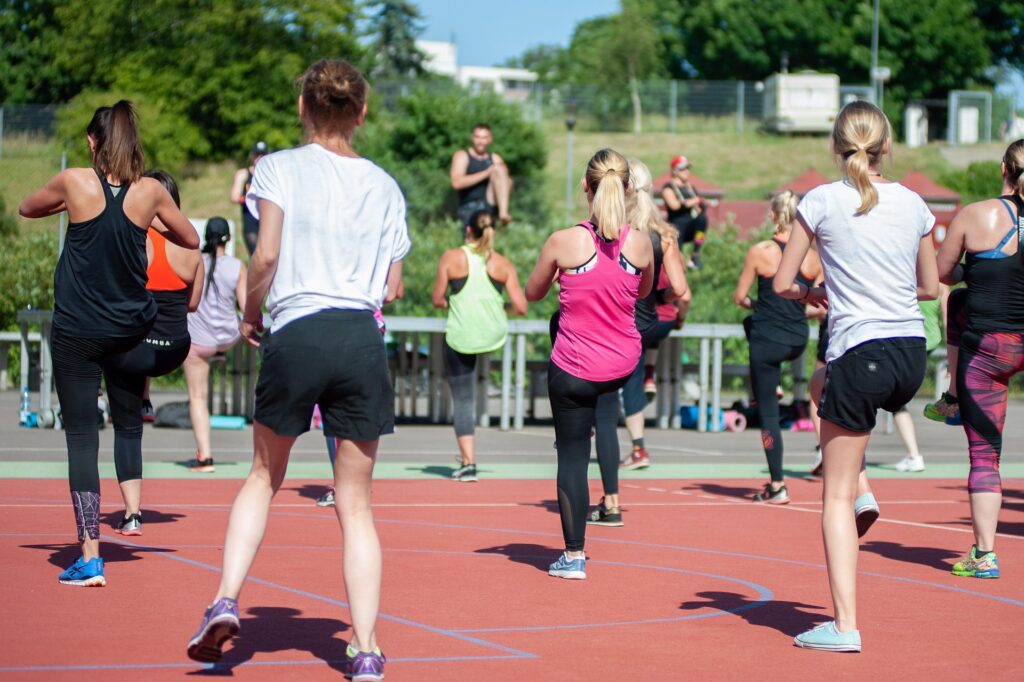
- Step onto a bench or box.
- Drive through the heel.
- Lower slowly and switch legs.
6. Cable Kickbacks or Resistance Band Kickbacks
Great for isolating and activating the glutes.
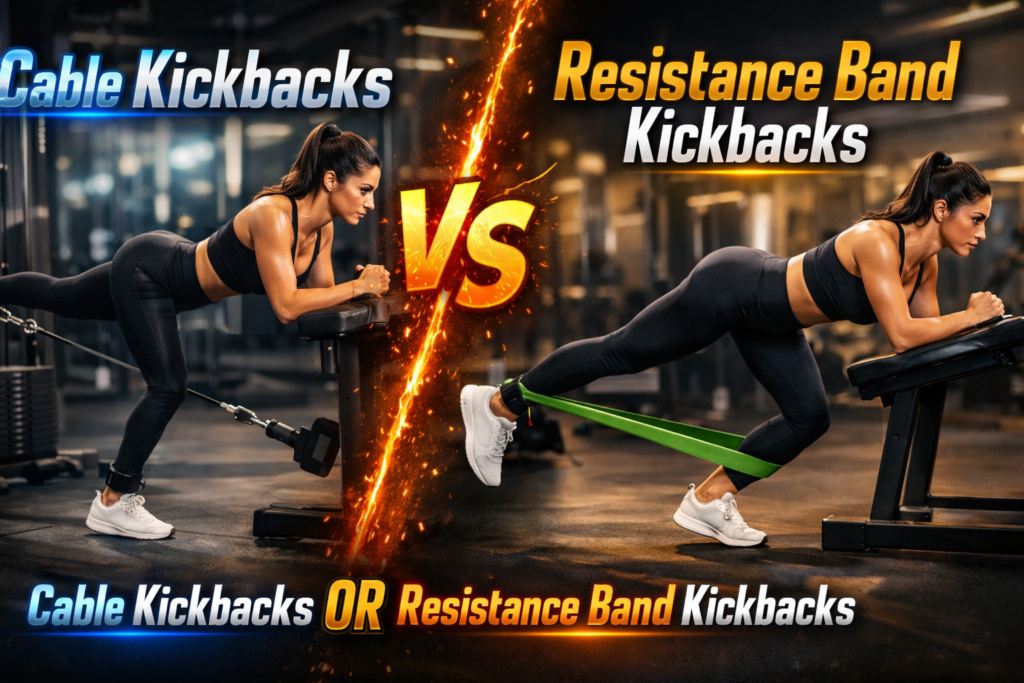
- Extend one leg backward.
- Keep your core tight.
- Squeeze at the top.
How Often Should You Train Glutes?
For best results, train your glutes 2–3 times per week. Allow at least 48 hours of recovery between intense sessions. Combine strength exercises with mobility work for balanced development.
Common Mistakes to Avoid
- Not activating glutes before heavy lifts
- Using too much weight too soon
- Relying only on squats
- Poor posture during exercises
Benefits of Strong Glutes
- Better posture
- Reduced back pain
- Improved athletic performance
- Higher calorie burn
- Better hip stability
Sample Beginner Glute Workout
Perform this routine 2–3 times weekly:
- Glute Bridges – 3 sets of 15 reps
- Squats – 3 sets of 12 reps
- Romanian Deadlifts – 3 sets of 10 reps
- Step-Ups – 2 sets each leg
FAQs About Glute Training
1. How long does it take to grow glutes?
With consistent training and proper nutrition, noticeable results may appear within 6–8 weeks.
2. Can I train glutes every day?
No. Muscles need recovery. Train 2–3 times per week for best growth.
3. Do squats alone build strong glutes?
Squats help, but combining hip thrusts and isolation movements gives better results.
4. Are glute exercises good for back pain?
Yes. Strong glutes support the spine and reduce strain on the lower back.
5. Can I train glutes at home?
Absolutely. Bodyweight exercises and resistance bands are highly effective.
Final Thoughts
Understanding how to exercise your glutes is essential for strength, stability, and long-term health. Strong glutes improve posture, reduce injury risk, and enhance overall performance. Stay consistent, focus on proper form, and progressively challenge your muscles.
Your glutes are the foundation of movement — give them the attention they deserve.