
The fitness world evolves every year — and 2026 promises to be a year of exciting shifts in how people stay active, healthy, and motivated. Experts across health and wellness sectors have identified trends that are likely to dominate fitness routines, technologies, and community habits. These predictions are based on consumer behaviour, scientific research, and global wellness data compiled by industry specialists.
1. AI Personalization and Digital Fitness Coaching
Artificial intelligence (AI) is no longer just a gadget feature — it’s becoming an intelligent coach. In 2026, personalized AI fitness platforms will predict your body’s needs using data like sleep, biometrics, and workout history. These systems adjust workouts based on your stress levels, recovery, and goals, replacing one-size-fits-all programs with dynamic, adaptive training.
2. Wearable Technology That Does More Than Count Steps
Wearables remain a top fitness trend, but in 2026 they will go beyond steps and calories. Advanced biosensor wearables will track deeper health signals such as heart rhythm variability, blood glucose trends, and recovery metrics. This tech helps users tailor workouts intelligently and avoid over training.
3. Recovery As a Core Part of Fitness
Fitness isn’t just about working harder — it’s about recovering smarter. Experts predict that recovery practices like cold plunges, infrared saunas, pneumatic compression devices, and dedicated recovery footwear will become mainstream. These tools support muscle repair, reduce inflammation, and help people train more consistently.
4. Functional and Mind-Body Movement
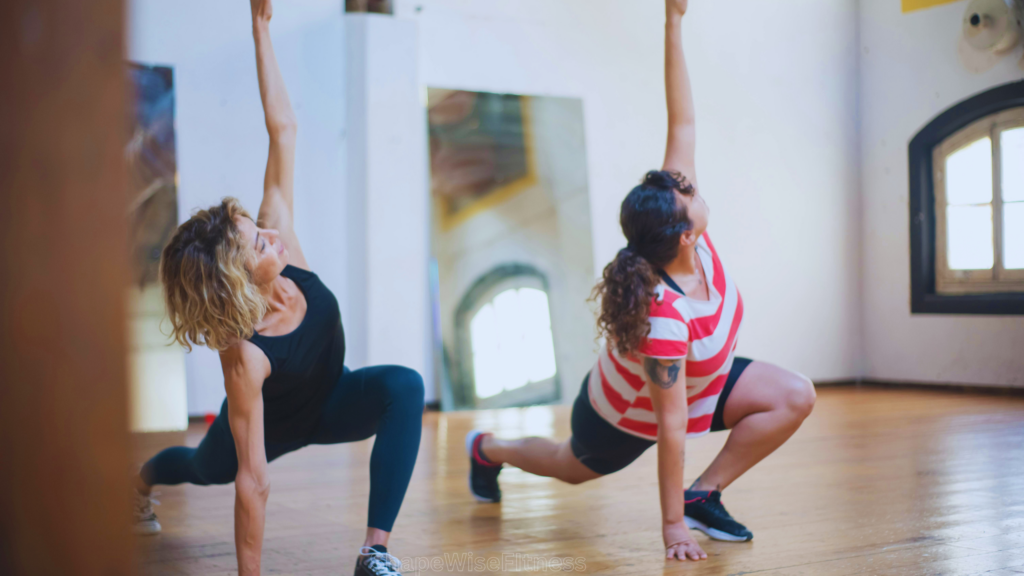
Instead of training for aesthetics alone, people are increasingly focused on movement patterns that improve daily life. Functional training (such as core stability work and compound exercises) and mind-body modalities like tai chi, yoga, and walking yoga are gaining traction. These practices help with balance, stress reduction, flexibility, and overall well being. :
5. Growing Interest in Interval Walking and Low-Impact Cardio
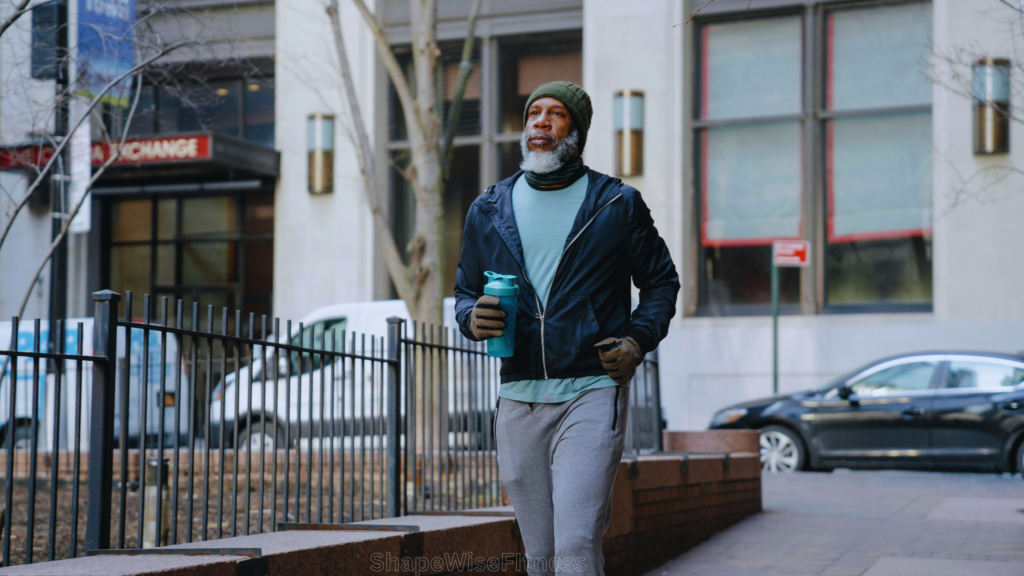
Walking remains one of the most accessible forms of exercise. In 2026, structured walking formats such as interval walking — alternating fast and slow paces — are expected to surge in popularity. This type of movement offers cardiovascular benefits without stressing joints, making it ideal for a wide range of fitness levels.
More Emerging Fitness Movements
- Virtual Indoor Cycling: Immersive digital classes that make cardio engaging and adaptable to any level.
- Home Gym Innovation: Compact yet powerful home equipment that rivals commercial gyms.
- Hydration & Functional Beverages: Functional drinks tailored to exercise needs with electrolytes and performance support.
Why These Trends Matter
Fitness in 2026 will be more personalized, inclusive, and lifestyle-friendly than ever before. Instead of forcing people to conform to rigid gym routines, trends are shifting toward daily movement, recovery, and holistic wellbeing. This rise of smarter training tools, supportive communities, and accessible practices ensures that everyone — from beginners to experienced athletes — has options that fit their goals and abilities.
Explore For Guide:
For deeper insights into how fitness is evolving and how you can apply these trends in your routine, you can check out:
• 10 Must-Try Fitness Trends for 2026 — a detailed guide to upcoming training and technology shifts.
• Top Fitness Trends in 2026 (data-backed) — trends backed by market search growth and consumer interest.
• ACSM Top Fitness Trends for 2026 — expert commentary from a respected fitness authority.
FAQs — Fitness Trends in 2026
1. What fitness trend will be biggest in 2026?
Experts point to AI-driven personalization and advanced wearable tech as top trends because they help people tailor workouts, recovery, and health tracking more precisely than ever. {index=13}
2. Are wearable devices really useful for fitness?
Yes. Modern wearable tech now tracks more than steps — including recovery, sleep, stress signals, and vital metrics — helping users make smarter training decision
3. Will high-intensity workouts still be popular?
While high-intensity training remains valuable, many fitness enthusiasts are embracing low-impact and functional exercises that support longevity, everyday movement patterns, and joint health.
4. How can beginners join these fitness trends?
Beginners can start with accessible options like interval walking, virtual cycling classes, and mobile training apps. These trends allow people to work at their own pace and gradually build confidence.
5. Is recovery really part of fitness or just a trend?
Recovery has become essential — not a luxury. Tools like compression boots, cold therapy, and dedicated rest strategies help prevent injury, manage fatigue, and improve long-term performance.
Extra Tip:
- Focus on Functional and Mind-Body Movement: Fitness routines will emphasize movement patterns that improve daily life, like functional training and mind-body exercises such as yoga and tai chi, promoting balance, flexibility, and well-being.