
Getting older does not mean stopping physical activity. In fact, small and regular fitness steps can greatly improve the quality of life for older men and women. Fitness at an older age is not about heavy workouts or extreme routines. It is about gentle movements, consistency, and listening to your body.
This article explains simple, safe, and practical fitness steps that seniors can easily follow to stay active, healthy, and independent.
Why Fitness Is Important for Older Men and Women
As we age, our muscles become weaker, joints get stiff, and balance may reduce. Regular physical activity helps slow down these changes. Even small movements can make a big difference.
Fitness helps older adults by:
- Improving heart health
- Strengthening muscles and bones
- Reducing joint pain and stiffness
- Improving balance and preventing falls
- Boosting mood and mental health
The best part is that fitness does not require a gym or expensive equipment.
Start With Daily Walking

Walking is one of the safest and easiest exercises for older men and women. It improves blood circulation, strengthens the legs, and keeps the heart healthy.
Start with:
- 5 to 10 minutes a day
- Walk at a comfortable speed
- Increase time slowly as the body allows
Walking in a park or quiet street also helps reduce stress and refresh the mind.
Gentle Stretching for Flexibility
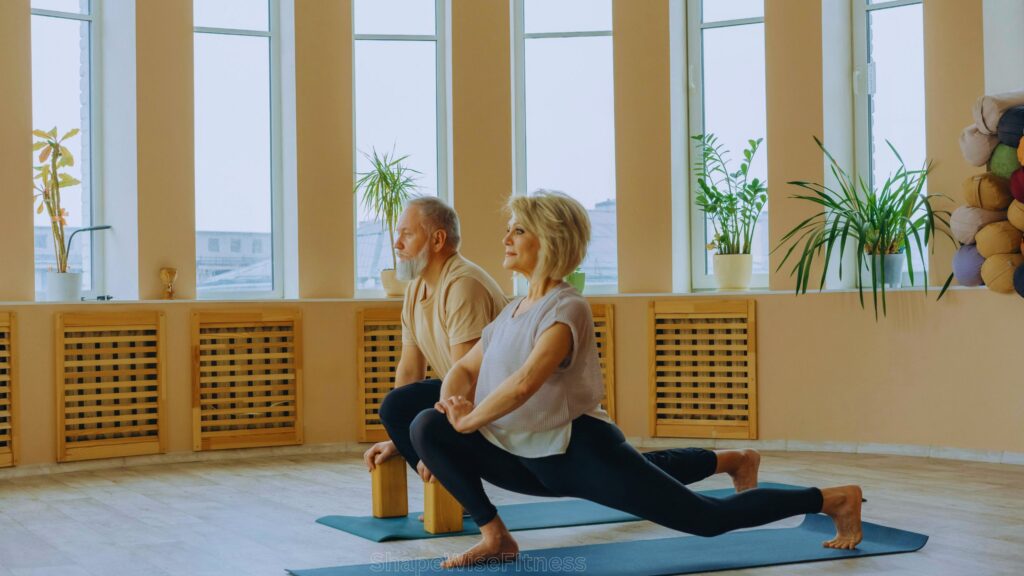
Stretching keeps muscles flexible and joints smooth. It helps reduce body stiffness, especially in the morning.
Simple stretching tips:
- Stretch arms, shoulders, neck, and legs
- Hold each stretch for 10–15 seconds
- Never stretch to the point of pain
Regular stretching improves posture and makes daily movements easier.
Chair Exercises for Safety
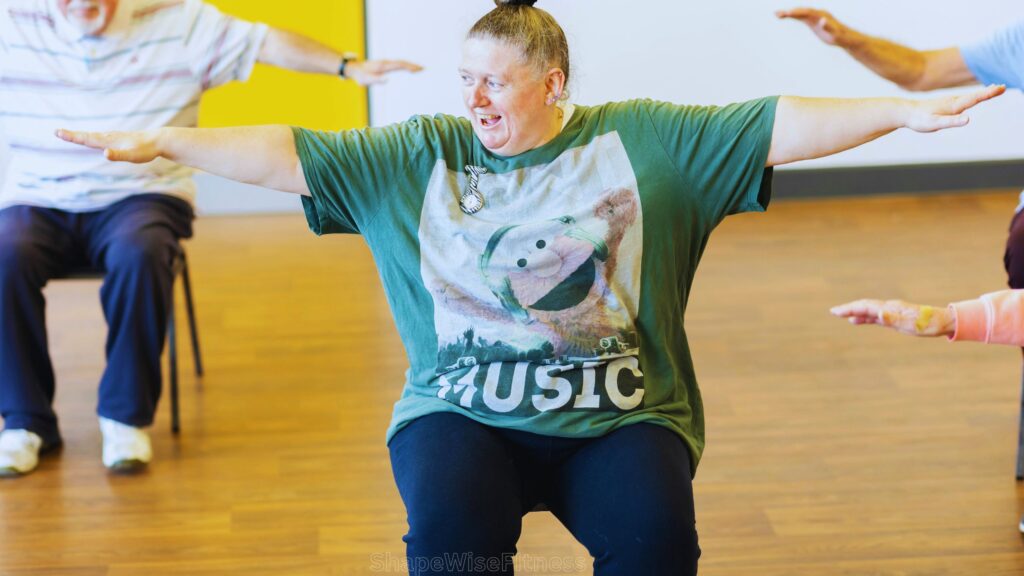
Chair exercises are perfect for seniors who have balance issues or weak knees. These exercises allow movement without fear of falling.
Examples of chair exercises:
- Sitting leg lifts
- Arm raises while sitting
- Ankle rotations
Chair exercises improve muscle strength and blood flow while staying safe and comfortable.
Light Strength Training at Home
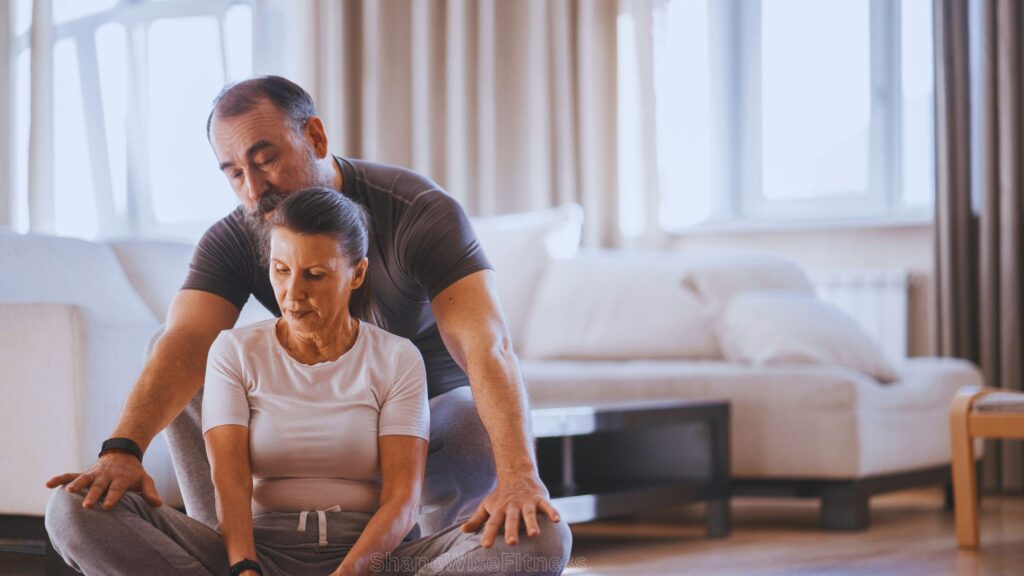
Strength training helps maintain muscle mass and bone health. For older adults, light strength training is enough.
Safe strength training ideas:
- Using light dumbbells or water bottles
- Wall push-ups
- Standing up and sitting down slowly from a chair
These small steps help in daily activities like climbing stairs or carrying groceries.
Balance Exercises to Prevent Falls
Falls are one of the biggest risks for older people. Balance exercises help improve stability and confidence.
Simple balance activities:
- Standing on one foot while holding a chair
- Walking heel to toe
- Slow side leg raises
Practicing balance daily can reduce the risk of injuries.
Breathing Exercises for Relaxation
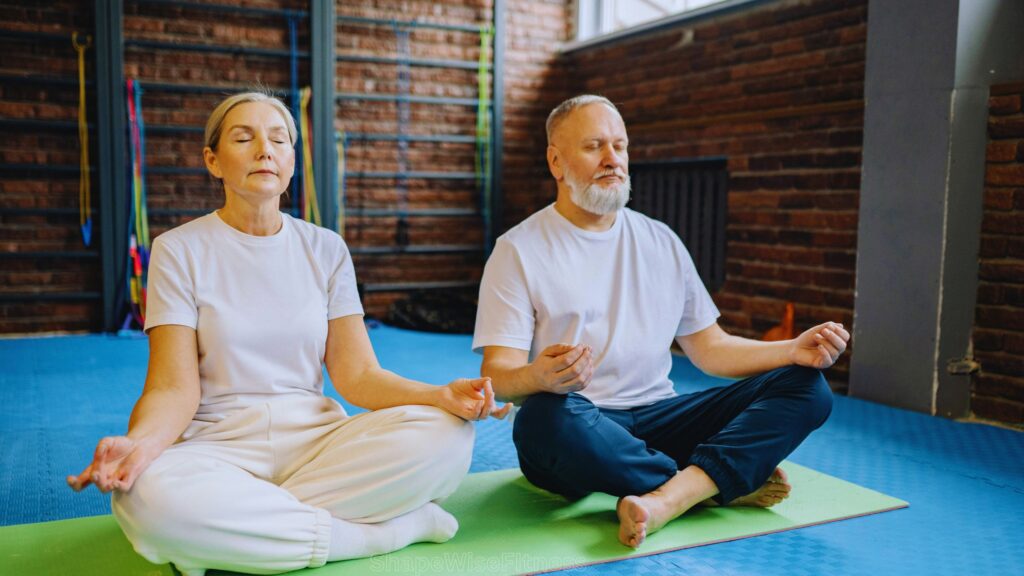
Deep breathing exercises help improve lung capacity and calm the nervous system. They are especially useful for seniors with stress or anxiety.
How to practice:
- Sit comfortably
- Inhale deeply through the nose
- Exhale slowly through the mouth
Breathing exercises also improve focus and sleep quality.
Stay Active With Daily Household Tasks
Fitness does not always mean exercise. Simple daily activities also keep the body moving.
Examples include:
- Gardening
- Cleaning
- Cooking
- Light home repairs
These activities burn calories and keep joints active without feeling like a workout.
Importance of Rest and Recovery
Older bodies need proper rest. Overdoing exercise can cause pain or injury.
Healthy recovery habits:
- Take rest days when needed
- Sleep at least 7–8 hours
- Drink enough water
Listening to the body is the key to safe fitness at an older age.
Healthy Lifestyle Support for Fitness
Fitness works best when combined with healthy habits. A balanced lifestyle improves overall results.
Helpful habits include:
- Eating nutritious meals
- Avoiding long sitting hours
- Keeping a positive mindset
For more guidance on senior fitness and physical activity, you can explore trusted health resources like Harvard Health and World Health Organization, which provide reliable information on safe exercise and aging health.
Consistency Matters More Than Intensity
For older men and women, doing a little every day is better than doing a lot once in a while. Even 15–20 minutes of daily movement can improve strength, mood, and energy.
Fitness at this stage of life is about staying independent and enjoying everyday activities without pain or fear.
Weekly Exercise Timetable for Old Men and Women
| Day | Time (Suggested) | Exercise Activity | Duration | Benefits |
| Monday | Morning | Slow Walking + Gentle Stretching | 15–20 min | Improves blood flow and reduces stiffness |
| Tuesday | Morning | Chair Exercises (legs, arms, ankles) | 15 min | Builds muscle strength safely |
| Wednesday | Morning | Balance Exercises + Flexibility | 15 min | Improves stability and prevents falls |
| Thursday | Anytime | Light Household Activities | 10–15 min | Keeps body active without strain |
| Friday | Morning | Light Strength Training + Walking | 15–20 min | Supports muscles and joint health |
| Saturday | Morning | Breathing Exercises + Relaxation | 10–15 min | Improves lung health and reduces stress |
| Sunday | — | Full Rest Day | — | Allows body recovery |
How to Follow This Timetable Safely
- Choose a comfortable time, preferably morning
- Warm up before starting
- Stop if you feel pain, dizziness, or tiredness
- Drink water before and after exercise
- Move slowly and calmly
Extra Tip for Seniors
If 15–20 minutes feels difficult, start with 5–10 minutes and slowly increase. Even small daily movement helps maintain independence and confidence.
FAQs – Small Fitness Steps For Older Adults
1. How often should old men and women exercise?
Older adults should try to stay active daily with light movements and exercise at least 4–5 days a week.
2. Is it safe to exercise after 60 or 70 years?
Yes, it is safe if exercises are gentle and done according to physical ability. Always start slow.
3. What is the best exercise for seniors?
Walking, stretching, chair exercises, and balance training are some of the best options.
4. Can fitness reduce joint pain in old age?
Yes, regular gentle exercise improves blood flow and reduces stiffness, which helps reduce joint pain.
5. Do seniors need gym workouts to stay fit?
No, home-based exercises and daily activities are enough to stay healthy and active.
6. How long should seniors exercise daily?
Even 15–30 minutes of light activity is enough to gain health benefits.